
Where does the consult hour actually go?
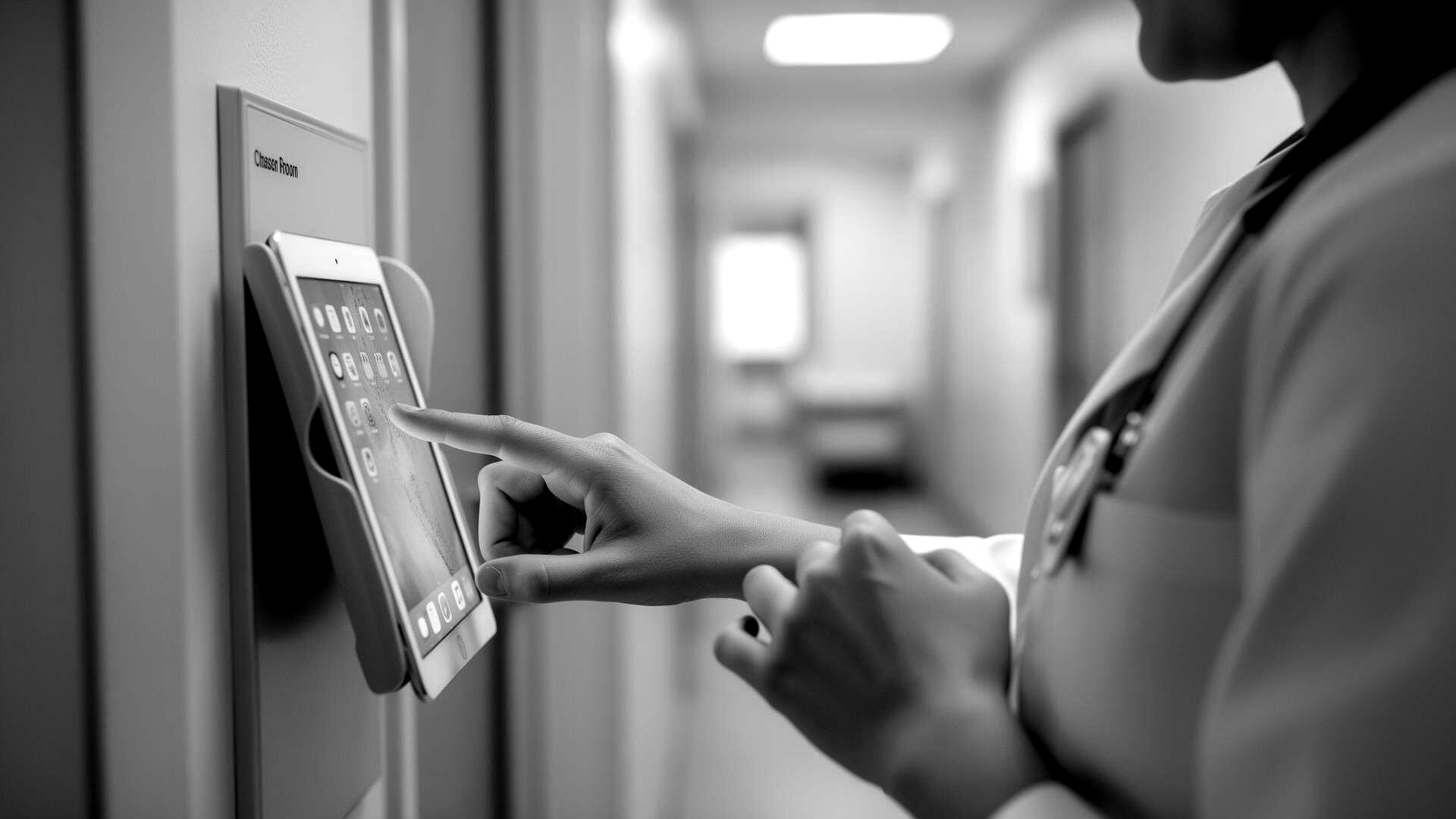
Consult Tempo applies the OR Tempo playbook to patient flow — from Arrival and Chart Ready, through In Room, Ready for Doctor, Doctor in Room, and Doctor Complete, to Coordinator In and Patient Check Out. Tap-simple capture, a shared clock, and a scorecard for the whole clinic team.
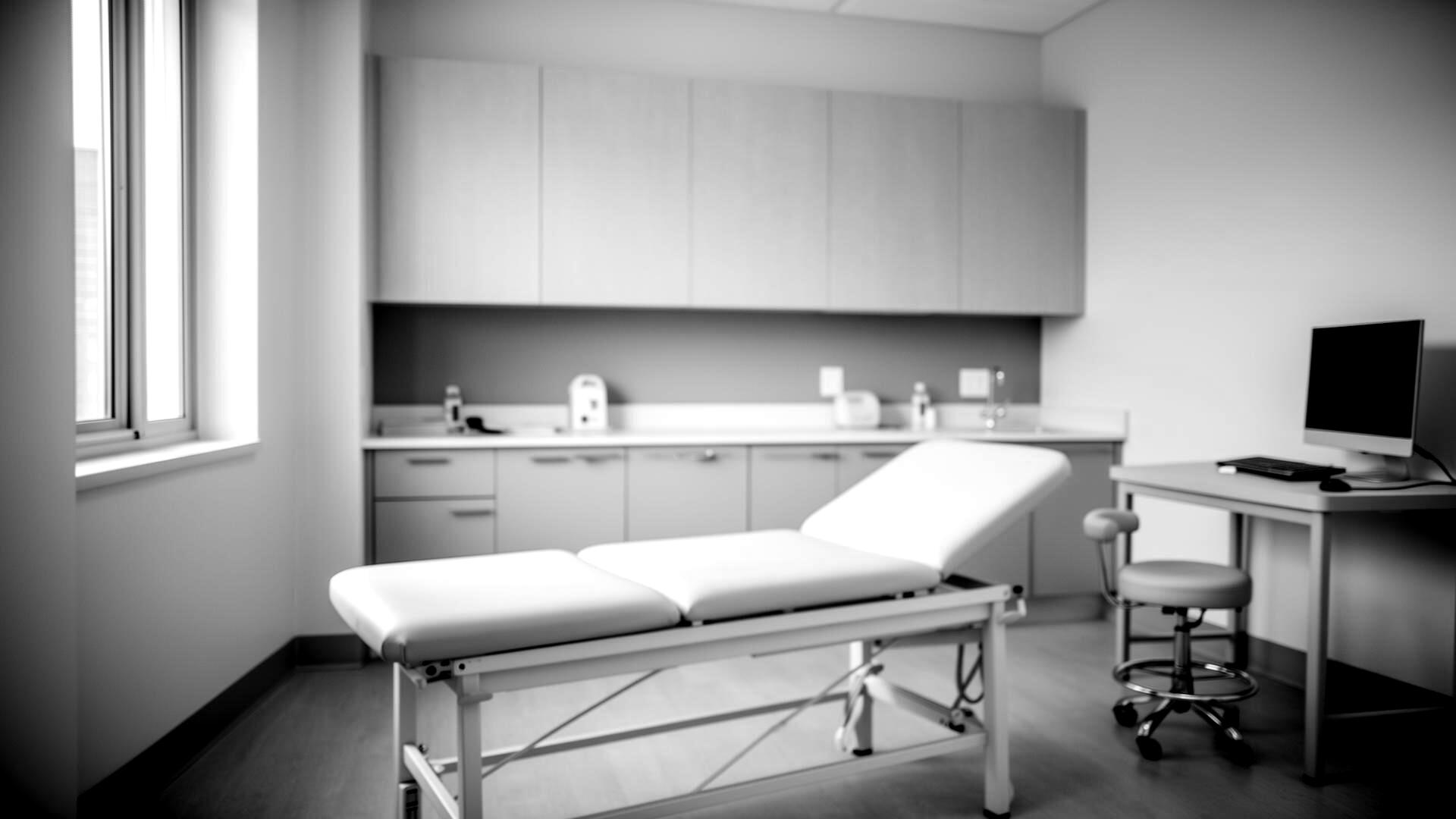
Concept design — Cascade Eye Clinic (fictional).
The language your clinic already speaks.
Eight tap-points (C1–C8) that cover the whole consult — no medical record fields, no PHI, just minutes.
- C1Arrival00:00
- C2Chart Ready00:04
- C3In Room00:09
- C4Ready for Doctor00:12
- C5Doctor in Room00:16
- C6Doctor Complete00:24
- C7Coordinator In00:28
- C8Patient Check Out00:38
Up to ten exam rooms at once. One shared view for everyone.
Anyone with access can advance any phase.
The MA finishing rooming, the doctor stepping out, the coordinator wrapping paperwork — whoever is closest taps Done. No handoffs lost in a chart, no waiting for the right person to be at the right screen. Every action is timestamped and attributed in the audit log.
- 10×Up to ten exam rooms tracked simultaneously, each on its own clock.
- 1×One pipeline view shows every active patient in the clinic.
- ∞Any signed-in user can advance any phase for any patient.

What changes when the consult hour is visible.
Shorter, calmer visits.
The bottleneck — usually 'Ready for Doctor' — stops hiding. Wait times come down because they're finally measured.
A real queue, not a guess.
Doctors see which rooms are actually ready and in what order. No more walking the hallway hunting for the next chart.
Proof the rooming work happens.
Chart Ready and In Room phases make invisible prep work visible — and defensible — to leadership.
Smoother checkout.
Coordinator In fires the moment the doctor is out, so checkout starts before the patient leaves the room.
Honest numbers, daily.
Same green / yellow / red scorecard as OR Tempo — per provider, per room, per phase. No vanity dashboards.
More consults per day.
Tighten the standards over time and the schedule absorbs more visits without anyone working harder.
The same scorecard discipline as OR Tempo — tuned for the consult hour.
Three views, one shared language: a daily scorecard for the morning huddle, a phase breakdown that names the bottleneck, and a trend chart that proves the fix held. Every metric is rated against standards you set — green, yellow, red — for the clinic, per provider, per room.
Day scorecard for the morning huddle.
Door-to-Doctor, Ready-for-Doctor wait, Doctor in Room, Checkout, Total visit length, and Late starts — each rated against your standard with a one-line delta. The whole clinic knows where yesterday landed before the first patient arrives.
Where the consult hour actually goes.
Average minutes per phase across the last 7 days, with your target marker on every bar. The bottleneck stops being a guess: when Ready-for-Doctor runs +4 minutes long, the bar goes red and stays there until you fix it.
Prove the improvement, week over week.
Weekly trend for any phase with your target and threshold lines drawn right on the data. When Door-to-Doctor drops from 27 minutes to 17 over ten weeks, you don't claim it — you show it.
Concept design — Cascade Eye Clinic (fictional).
Predicted consult lengths, predicted clinic end.
Every tap is a data point. Consult Tempo learns how long each doctor's new patients, follow-ups, and post-ops really take in your rooms — and predicts each consult's length and the time the clinic will close out. Predictions sharpen with every visit.
- 08:30 · New patient34 min
- 09:00 · Follow-up17 min
- 09:20 · Post-op14 min
- 09:35 · New patient31 min
- 10:05 · Injection12 min
On current pace the clinic finishes than the paper schedule. Updated after every tap.
- →Doctors see a realistic finish time, not the paper one.
- →Schedulers stop overloading the same doctor's Tuesdays.
- →Front desk and coordinators know exactly when the day will wrap.
- The prediction is your own data reflected back. No vendor benchmarks, no borrowed averages — just how your team actually runs.
Want early access? Book a demo and we'll show you OR Tempo today and put you first in line for Consult Tempo.